
Unpacking with CivicStory: Living Shorelines
What are Living Shorelines?
Living shorelines focus on stabilizing shorelines and reducing erosion by incorporating natural elements, such as native plants, rocks, sand, and oyster shells. They offer an environmentally sustainable alternative to hard shoreline techniques like concrete seawalls or bulkheads, which rely on costly man-made materials, require higher-maintenance, and have been shown to be less effective during major storms.
The Problem
Across the United States, coastal erosion leads to an estimated $500 million in property damage annually and destroys over 80,000 acres of coastal wetlands, impacting homes, public infrastructure, shoreline communities, and wildlife habitats.
Coastal erosion occurs when natural forces like storms, heavy waves, and rising sea levels degrade and wear away soil, sand, and rocks along the coast.
Aside from natural drivers, human activity can also significantly accelerate this process. Hard infrastructure, including buildings and concrete seawalls disrupt natural tidal flows. Resorts can further worsen erosion by removing seaweed from nearby beaches to enhance touristic appeal, which weakens this natural barrier against waves and rising tides.
Solution #1: Salt marsh restoration
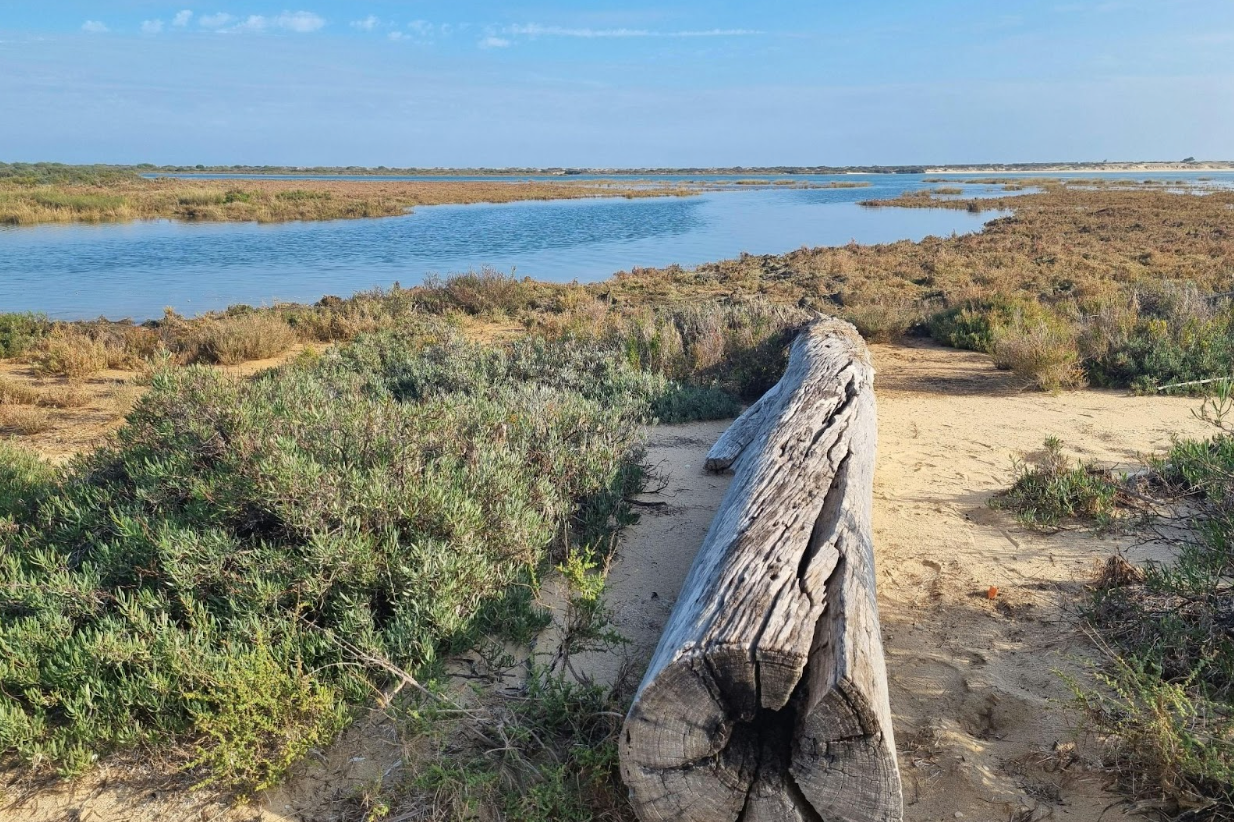
Salt marshes are a kind of wetland found in coastal areas. Over the last decade, the U.S. has experienced the highest rates of salt marsh loss in the world, as these ecosystems are increasingly disappearing due to sea-level rise and coastal development.
This globally rare habitat is critical for native species that rely on it exclusively, particularly in the case of birds and fish. During severe storms, salt marshes help shield coastal communities from flooding and can prevent billions of dollars in infrastructure damage.
Source: Pexels
Passive Vs. Active Restoration
Passive restoration focuses on eliminating the primary stressor to ecosystem health. For example, a marsh damaged by foot traffic can be closed off to the public to allow vegetation to recover naturally.
Active restoration, on the other hand, involves direct human intervention, such as planting native species or removing invasive species to help the ecosystem recover.
It's important to note that there is no one-size-fits all solution to marsh restoration, as outcomes depend highly on location and context. Restoration can serve as an emergency response for actively degrading marshes or as a preemptive strategy for marshes at risk of flooding due to sea-level rise.
Key Native Plant Species
Restoring salt marshes often involves planting native species that stabilize soil, provide habitat, and improve water quality. Important species to consider include:
Smooth cordgrass: Tall grass along tidal creeks that traps sediment and resists salt.
Marsh elder: Upland shrub with pointed succulent leaves that provide a nesting habitat for birds.
Glasswort: Succulent stems that colonize bare, salty areas.
Saltgrass: Slender green leaves found in high marsh areas that serve as a food source for butterflies.
For more salt marsh plants to choose from, visit the Salt March Guide.
Solution #2: Oyster reefs
Oyster reefs once dominated Chesapeake Bay, stretching for miles and supporting entire fishing economies. However, by the late 20th century, industrial overharvesting, pollution, the spread of disease, and habitat destruction caused the population to collapse to just 1% of historic levels.
The loss of oyster reefs set off cascading ecological failures that reshaped coastal waters. As natural filtration disappeared, algae overgrew and clouded the water. When this algae decomposed, oxygen levels dropped, creating “dead zones” where few aquatic animals could survive. Without reefs to buffer wave energy, shorelines eroded far more quickly, eventually rendering once-clear waters murky and green.
Source: Pexels
From Failure to Successful Restoration
Early oyster reef restoration in the 1990s often failed because they were treated as simple habitat additions rather than complex ecosystems. Shells were placed randomly without accounting for depth, water flow, or the hard surfaces oysters typically need to attach to and grow.
Then, in 2014, the Chesapeake Bay Watershed Agreement established science-based restoration targets that continue to guide reef rebuilding today. This restoration process follows several key steps:
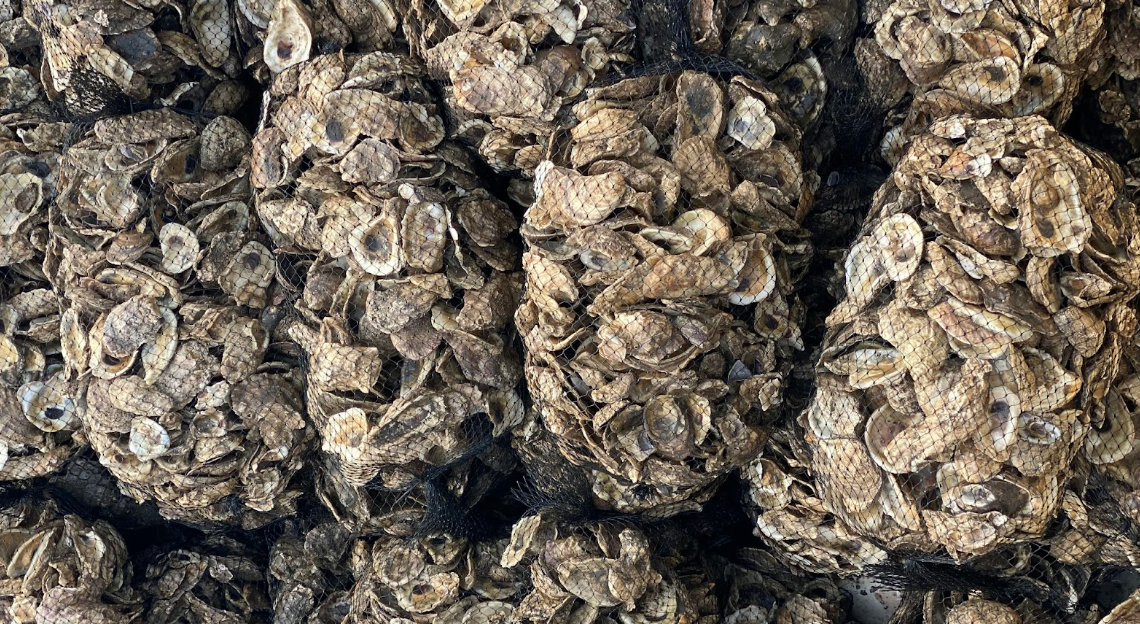
Substrate selection: Choosing hard surfaces, like recycled oyster shells which living oysters can attach to and grow upon.
Site assessment: Picking intertidal or shallow subtidal zones with good water flow to provide food whilst removing waste.
Monitoring: Track reef growth, water quality, and oyster survival in real-time, making adjustments as needed to ensure long-term success.
Oyster reefs offer significant environmental benefits. Research indicates that properly designed reefs can absorb 30-50% of wave energy, helping to shield shorelines while creating habitats for fish, crab, and other marine life.
In Harris Creek Maryland, oyster reefs now remove as much nitrogen from the water per year as 20,000 bags of fertilizer. Unlike seawalls that break down over time, these reefs grow stronger as oysters reproduce and expand, building on the shells of previous generations.
Solution #3: Coir fiber logs
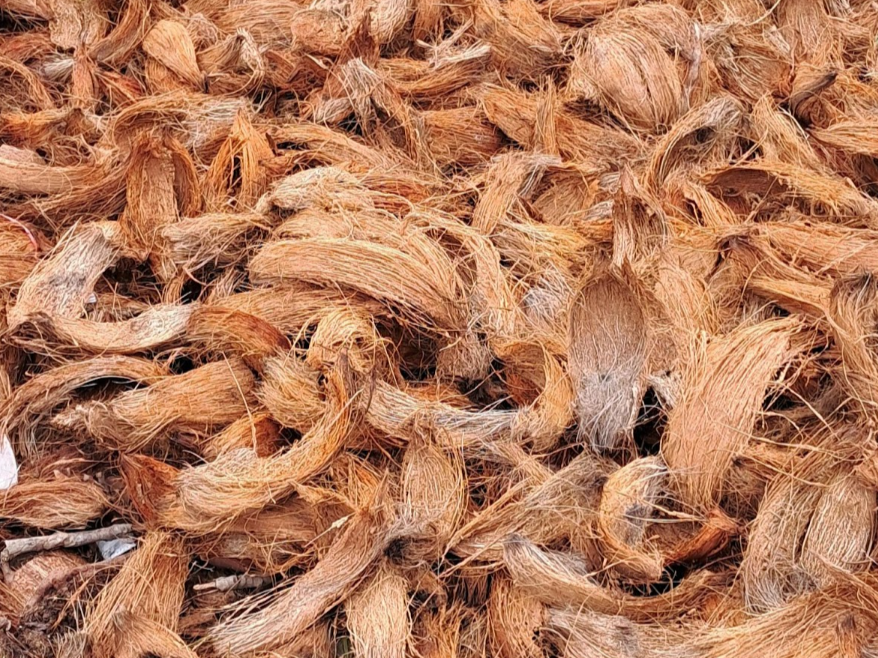
Coir fiber logs are biodegradable rolls made by tightly packing coconut husk fiber in netting. Installed along shorelines, they help reduce erosion by trapping sediment and buffering the shoreline from wave energy, while supporting the growth of native plants.
This is typically used as a short-term solution and often combined with other living shoreline elements, such as salt marsh plants or shell bags and oyster reefs. Coir fiber logs generally break down after 2-5 years without polluting the environment because of its natural materials.
Coir fiber logs offer several benefits for shoreline and soil stabilization, including:
Holding soil in place, slowing runoff and lessening the impact of wave action.
Absorbing and retaining moisture, creating ideal conditions for nearby seeds and saplings to establish strong roots.
Reducing the force of water and trapping sediment, allowing shorelines to rebuild naturally.
Breaking down naturally and enriching the soil without leaving harmful residues.
Source: Pexels
Challenges to Installing Living Shorelines
Living shorelines offer a more natural and sustainable approach to protecting coastal areas, but implementing them comes with unique challenges. From navigating regulatory hurdles to ensuring proper design, installation, and proper maintenance, these projects require careful planning, scientific guidance, and ongoing oversight. Let’s break down the main obstacles experts have identified:
(a) Regulatory Hurdles
Early efforts of living shorelines often faced regulatory barriers because there was a lack of both public understanding and science-backed confirmation of how they perform.
According to Lisa Auermuller, Administrative Director of Rutgers’ NSF-funded Megalopolitan Coastal Transformation Hub, this difficulty was largely alleviated after Superstorm Sandy, when living shoreline projects became easier to permit at a state-level.
David Bushek, Director of the Haskin Shellfish Research Laboratory at Rutgers University, explained that the cost of living shoreline projects are often hard to estimate. Many projects rely on community volunteers, which works well for small installations but isn’t practical for municipalities or corporations that need to protect miles of shoreline. These logistical and funding challenges remain a barrier to wider implementation.
(b) Site-Specific Challenges
“We were also learning a lot about how best to install living shorelines and what circumstances were most effective,” Auermuller said. “Living shorelines are not going to be like the silver-bullet solution everywhere.” She added that they often need to be complemented with a more hardened solution depending on what is being protected. Pairing the right tool with the site requirements is essential because a living shoreline is designed to move and shift, mimicking the dynamics of a regular shoreline.
Bushek added that a major problem persists: “People sort of slap things together and throw them out there and see if it works or not, and there’s no real good engineering or science behind what they’re doing.” He noted that to prevent people from resorting to trial and error, we need more data on how living shorelines perform and how they should be designed for different conditions.
(c) Maintenance and Long-Term Care
While living shorelines aren’t necessarily costly to implement, Bushek noted that they require ongoing, gardening-like maintenance, unlike traditional hard structures which can last many decades with little intervention. The expertise needed to manage this maintenance is often overlooked.
Auermuller also mentioned that while ongoing monitoring is critical, it is often not included in the installation price. She asserted that, in the long-run, maintenance efforts actually help researchers track effectiveness from a growth or erosion standpoint, adjusting their strategy as needed.
Living Shorelines in Action in New Jersey
Rutgers University, in partnership with the U.S. Fish and Wildlife Service, The Nature Conservancy, and Partnership for the Delaware Estuary have worked to mitigate the effects of rising ocean levels along New Jersey’s Delaware Bay coast, an area vital for oyster farmers, fisherman, and wildlife, by installing a living shoreline.
Construction began in 2015, aiming to restore the land to its natural state and has since been monitored and analyzed by Rutgers researchers for effectiveness. This initiative uses coir fiber logs, native plants, shell bags, and oyster castles.
The project has already delivered significant ecological benefits:
Created habitat for 40 diverse species of fish and crustaceans, from juvenile to adult stages.
Supports commercially and recreationally important species such as blue crabs, black sea bass, and weakfish.
Provides settlement surfaces for over 650,000 oysters along the intertidal shorelines.
How You Can Get Involved
Building awareness is a key first step in civic engagement. Understanding the benefits of living shorelines for both land and aquatic ecosystems helps residents see why these initiatives matter.
“There’s a ‘being part of the solution’ kind of vibe with living shoreline projects, where other projects don’t really have that same sense of community involvement,” Auermuller said.
Residents can take action in several ways:
Seek to learn more: The New Jersey Nature-Based Solutions: Planning, Implementation, and Monitoring Reference Guide is a comprehensive report from Rutgers’ New Jersey Climate Change and Research Center that provides detailed research, best practices, and tools for planning, implementing and monitoring living shoreline and other nature-based projects. Refer to page 38 for the “Coastal Habitats” section.
Volunteer on the ground: Help with plantings, install shell bags, or participate in other land restoration efforts here in New Jersey.
Participate in citizen science: Programs like Paddle for the Edge, organized by the Barnegat Bay Partnership, allow volunteers to paddle sections of shoreline while collecting environmental data. So far, this program has monitored over 212 miles of shoreline and gathered more than 10,000 data points to support ongoing restoration efforts.