
Unpacking with CivicStory: Regenerative Farming
What is Regenerative Farming?
Unlike traditional farming methods that can degrade soil, reduce biodiversity, and increase greenhouse gas emissions, regenerative farming focuses on rebuilding the ecosystem by working with nature to rebuild soil structure, support diverse plant and microbial communities, and amplify the land’s natural resilience.
Whereas conventional farming prioritizes high yields of a single crop, regenerative agriculture aims to strengthen the relationships between plants, animals, soil, water, and people.
While the terms “organic” and “regenerative” are often used interchangeably, they have different objectives. Organic farming avoids synthetic pesticides, herbicides, and genetically modified organisms, with a focus on preventing environmental harm. In contrast, regenerative farming aims to restore natural ecosystems by improving soil health and ecosystem resilience.
A recent Sustainable Markets Initiative study found that the adoption of regenerative farming practices would need to triple its present rate by 2030, expanding to about 40% of our global farmland, in order to support efforts to limit global warming to 1.5 degrees. Yet, despite its clear environmental benefits, application of regenerative agriculture methods is not spreading nearly fast enough.
Why is Soil Health Important?
When we think about what makes life on Earth possible, we often name food, water, oxygen, and sunlight. But the true foundation of life sits at the bottom of the food chain and beneath our feet: soil.
Soil is a living ecosystem. A handful of soil carries more organisms than there are people on Earth. These organisms:
Release nutrients into the soil by decomposing organic matter (manure, crop residue, etc.).
Transform atmospheric nitrogen into fixed nitrogen plants can use.
Loosen and aerate soil to increase water-holding capacity and plant depth.

Source: Pexels
Healthy soil also acts as a carbon sponge, pulling carbon from the atmosphere and storing it underground, which helps mitigate climate change by reducing atmospheric carbon dioxide. Soil stores approximately three times more carbon than the Earth’s atmosphere, making the protection of this underground community an essential first step toward land regeneration.
The Problem
Modern agriculture often relies on mechanical tilling, pesticides, and synthetic fertilizers. These practices strip the soil of vegetation, and leave fields bare after harvest, serving to accelerate erosion. When soil is left exposed, rain or wind can easily wash or blow it away, leading to nutrient loss, increased pollution in surrounding waterways, and declining biodiversity .
Nationwide, agricultural runoff is the leading cause of water quality impairment, with 46% of rivers and streams containing excessive nutrients. Resultingly, only 28% of these waterbodies are considered healthy.
Solution #1: No-Till Agriculture
No-till practices involve planting seeds directly into the ground using tools like seed drills that leave the soil intact, preserving microbial life. With no-till methods, farmers:
Preserve soil structure and organic matter.
Reduce erosion and nutrient runoff.
Save on fuel and labor costs.
Increase soil water-holding capacity and biological activity.
Despite these benefits, continuous no-till has only been adopted on 21% of all agricultural land in the United States. A major concern for farmers is whether fuel and labor savings can offset the cost of switching to this practice.
However, the Natural Resources Convention Service found that on 1,000 acres of cropland, continuous no-till uses less than two gallons of diesel per acre compared to six for conventional tillage, saving approximately 4,160 gallons of fuel, 67 hours of work, and over $8,500 annually.
Solution #2: Cover Crops
Regenerative agriculture uses cover crops, such as rye, barley, clover, alfalfa, and other grasses to protect and rebuild the soil naturally. Often referred to as green manure, these plants are planted between primary growing seasons so the soil is never left bare. Instead, farmers plant vegetation that:
Shields the soil from rain, wind, and snow
Anchors soil with deep root systems
Adds organic matter and nutrients naturally
Creates habitat for essential insects and wildlife
According to Rick Bates, a professor of horticulture at Penn State, cover cropping can create additional production expenses such as applying manure, terminating cover crops, or leaving land fallow for a year. Since the financial benefits of these practices often take time to materialize, the delayed payoff can discourage farmers from adopting them.
“A farmer may do things over the next five years to increase soil organic matter resulting in better drought tolerance or higher yields, however those benefits may take a decade or more to actually be realized,” Bates said.
Solution #3: Managed Grazing
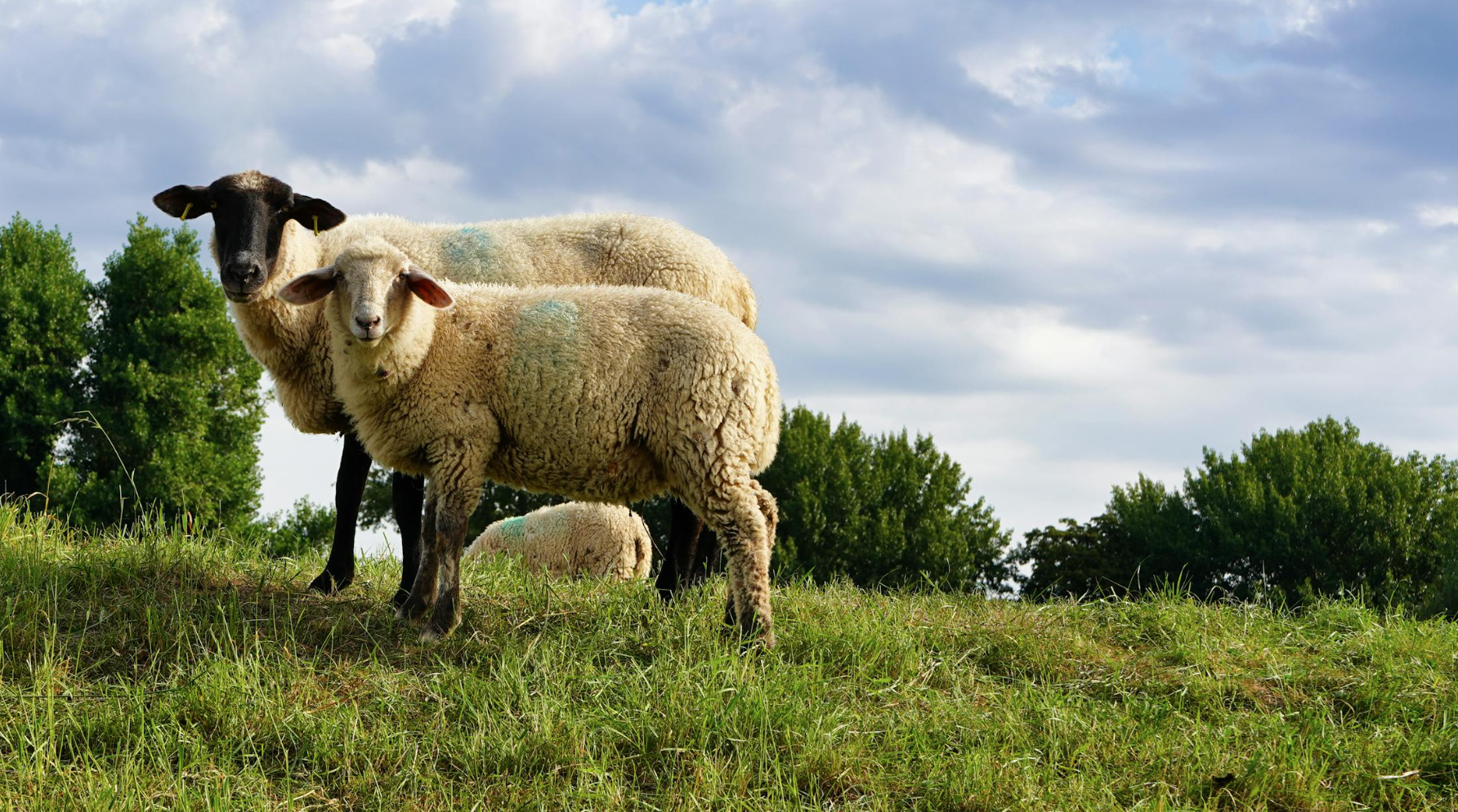
Managed grazing is a sustainable approach where livestock are carefully rotated across pastures to optimize soil health and pasture productivity. By controlling grazing timing and intensity, farmers can ensure that their crops have ample time to fully recover before being eaten again, in order to maintain strong roots. With managed grazing, farmers can:
Improve soil health and forage quality,
Naturally distribute manure, reducing need for chemical fertilizers, and limiting runoff.
Promote carbon sequestration, helping mitigate climate change.
Boost biodiversity by supporting diverse plant species.
Improve animal health by providing continuous access to nutrient-rich pastures.
Source: Pexels
Soil degradation and climate change threaten both farm productivity and the long-term health of our communities, making it urgent to adopt solutions that restore soil health and fertility.
Why Now?
While the term “regenerative” may be new to much of mainstream media, the practices themselves have been used by some farmers for decades. For instance, ACRES USA has been hosting its annual Ego-Ag Conference and Trade Show, an event geared towards educating farmers and ranchers on how to explore regenerative agricultural practices with a minimized impact on profit and yield, for over 50 years. And since its founding in 2006 by farmer John Kempf, Advancing Eco Agriculture (AEA) has also been sharing research-backed practices and products to help farmers implement regenerative methods.
Bates reasoned that the need for regenerative agriculture is equally as urgent as it was in the past, but now broader society is more aware of climate impacts due to advances in scientific research.
David Specca, Assistant Director of the Rutgers EcoComplex, who drives such research initiatives himself, noted that the kind of extreme weather conditions we are frequently witnessing now can significantly erode agricultural crop yields.
”Regenerative farming accepts that there will be severe weather ahead and helps with designing windbreaks, drainage ditches and soil stabilization practices that will help a crop survive these inevitable weather extremes.” he said.
Local Solutions to a Global Problem
National efforts are emerging, such as the USDA’s new Regenerative Pilot Program, which has dedicated $700 million in fiscal 2026 funding to help farmers adopt regenerative farming practices that improve soil health and enhance water quality. While it’s still uncertain how directly this program will affect farms in New Jersey, it could increase awareness of the importance of adopting regenerative practices, and over time, help farmers lower production costs and increase productivity.
Building on these national efforts, local organizations like the Regenerative Farm Network (RFN) are striving to address this challenge by providing farmers in North Jersey with training, technical support and farmer-to-farmer networking opportunities to share information on practices like no-till farming, cover cropping, and managed grazing.
Similarly, Rutgers Cooperative Extension also offers soil testing and analysis, field days, workshops on topics like soil texture, and other events where participants can learn regenerative practices.
By connecting with local efforts like RFN, attending Rutgers workshops, or experimenting with practices like no-till, cover cropping, and managed grazing, farmers and gardeners can take meaningful steps to combat climate change. Over time, these practices will build resilient soils that naturally support higher crop yields and improve drought tolerance for years to come.
“We should have been practicing the techniques of regenerative agriculture all along…It is very important to make up for lost time now because regenerative agriculture has been shown to reverse or ameliorate some of the more negative effects of climate change,” Bates said.