
Rewilding the Urban Balcony
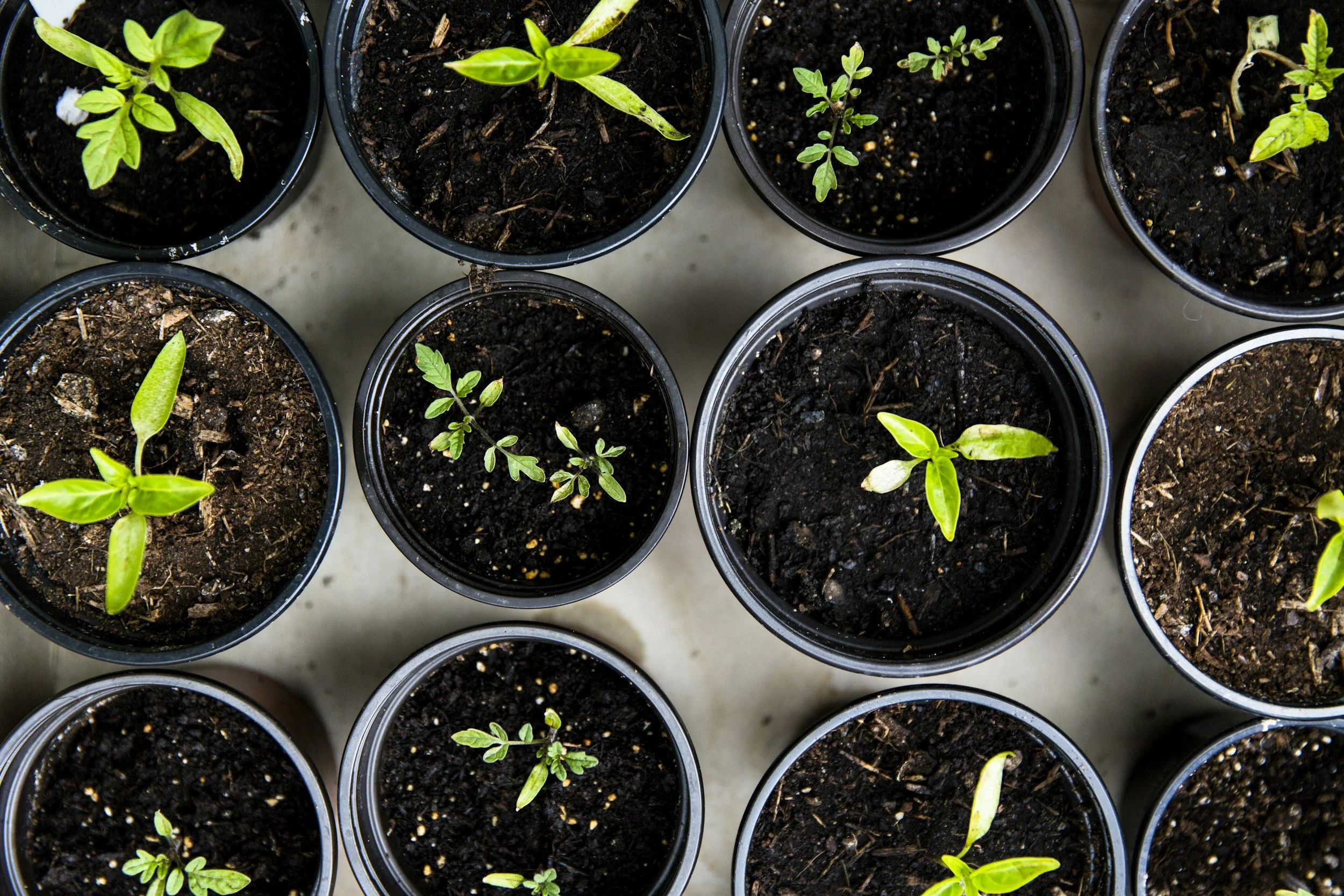
A Native Plant Society of New Jersey webinar explores how apartment dwellers can support local ecosystems one container at a time.
Story by D'Arcy Perlman
You no longer need a backyard, lawn, or sprawling garden to support local ecology. Native plant container gardening allows even the smallest balcony to become part of a larger environmental network. Apartment dwellers and urban residents have the opportunity to support pollinators, strengthen local food systems, and improve ecological continuity right from home.
The Native Plant Society of New Jersey, which hosts 15 chapters statewide and organizes cleanups, seed swaps, garden tours, workshops, and lectures, featured urban botanist Jeremie Fant in a Wednesday, May 20 evening webinar on native plant container gardening. Fant, Director of Conservation at the Chicago Botanic Garden and a PhD-trained geneticist, works in rare plant monitoring, seed banking, and conservation collections to help protect endangered species in both managed and natural landscapes.
His talk reviewed over a decade of experimenting with potted native plants, initially inspired by a desire to recreate elements of a Great Plains prairie ecosystem on his small urban balcony. With limited existing research on potted gardening for natives, Fant developed his own methods by observing local ecosystems and learning through trial and error.
Container gardening comes with physical challenges, he explained: limited soil depth for deep-rooted species, faster drying conditions, and durability issues such as cracking terra cotta or sun-degraded plastics. He stressed the importance of selecting appropriately weighted, weather-resistant containers, using potting-specific soil mixes rather than garden soil, assessing your sunlight levels, and adjusting water retention and aeration with amendments. He recommends containers at least 18 inches deep, suggesting fiberglass for durability and weight considerations on balconies, and prioritizing species with lower water needs and more fibrous root systems.
Fant encourages gardeners to focus on perennial natives that return year after year and can self-seed, as well as to think in terms of plant communities rather than individual species. He highlights the importance of “nurse plants,” particularly sedges and grasses, which help stabilize soil, retain moisture, and protect more sensitive species during winter. These structural plants also provide habitat and aesthetic continuity, especially in small or exposed spaces where edge conditions can be harsh.
He has had success selecting species from slightly more northern climates for greater cold resilience. He was also pleasantly surprised by the biodiversity benefits: even small balcony plantings can support a wide range of pollinators, including native bees, butterflies, beetles, wasps, and birds. Tools like iNaturalist can help gardeners identify their local insect visitors and understand their greater ecological impact.
Find an up-to-date account of Fant’s balcony ecosystem on his blog. You can also access past recorded webinars, including this one, through the Native Plant Society of New Jersey website and their YouTube channel. As Fant noted, “We don’t really know - it’s worth a try,” so stay curious, embrace experimentation, and bring nature back home.
D'Arcy Perlman is a plant biologist and UCLA graduate based in Maplewood, New Jersey, with research experience in ecology, conservation, and regenerative agriculture.