
Hundreds of Students Plant Rutgers’ First Miyawaki Forest on Abandoned Roadway
Festive music and welcoming messages attract first-time planters
Story by Nidhi Thakur
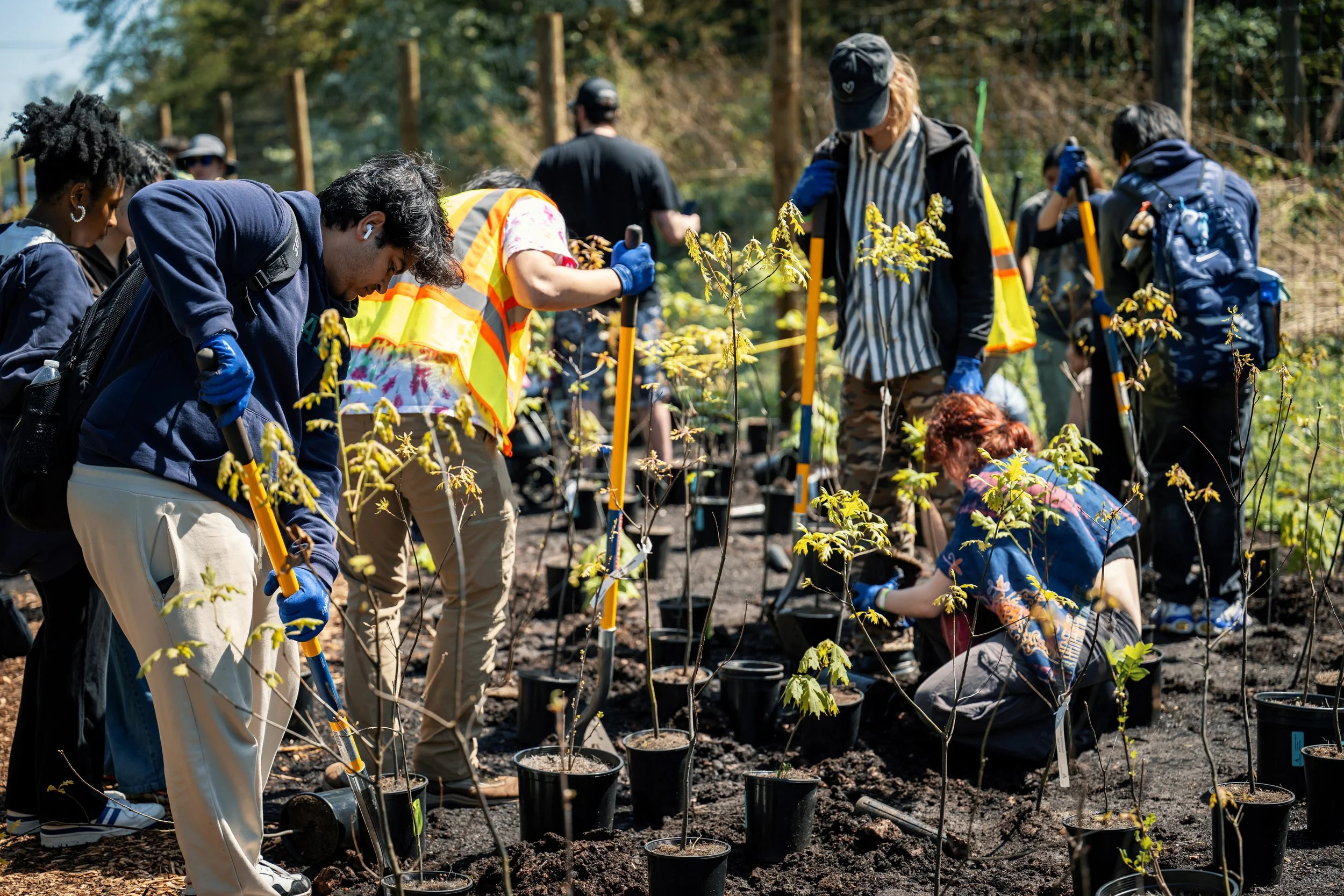
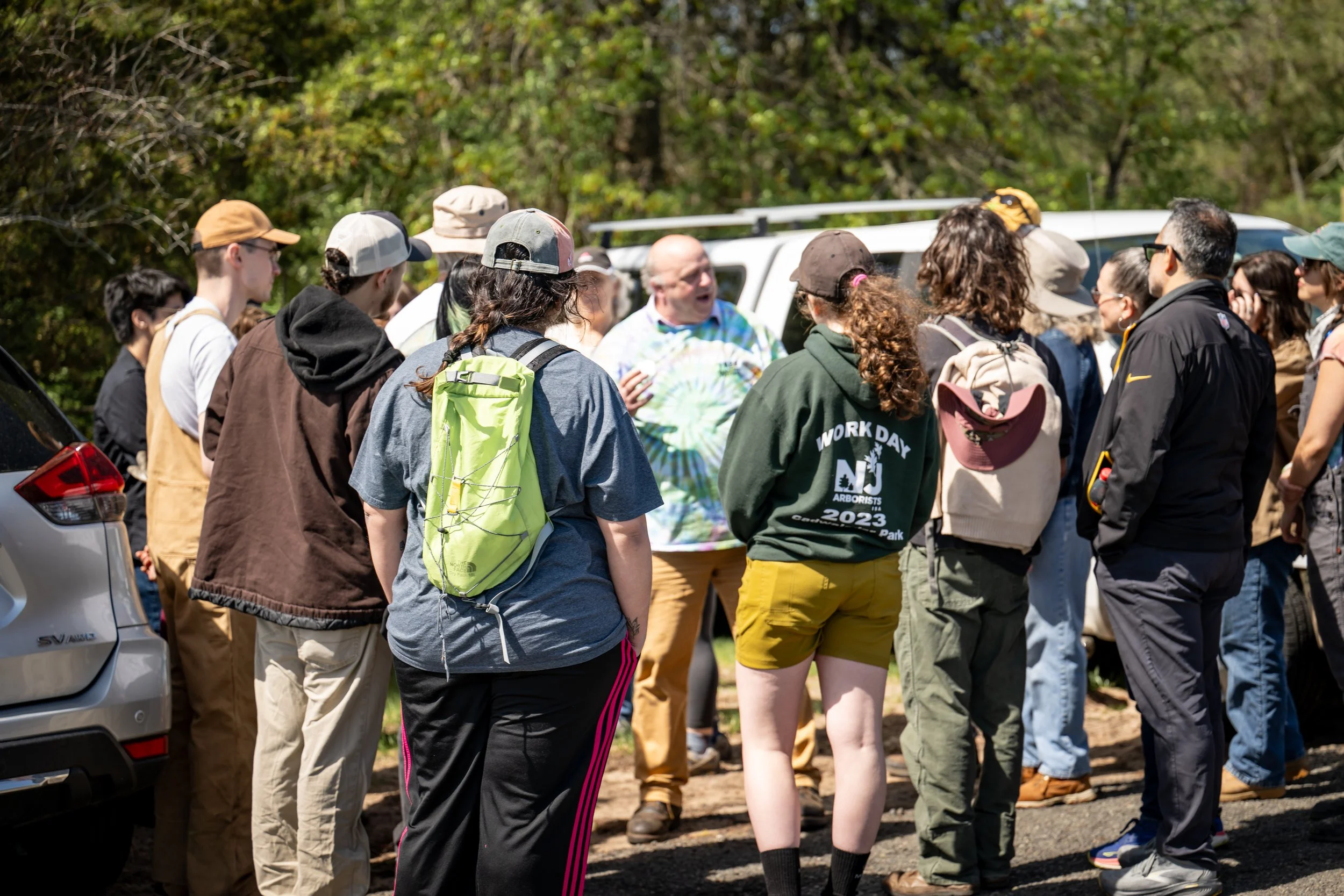
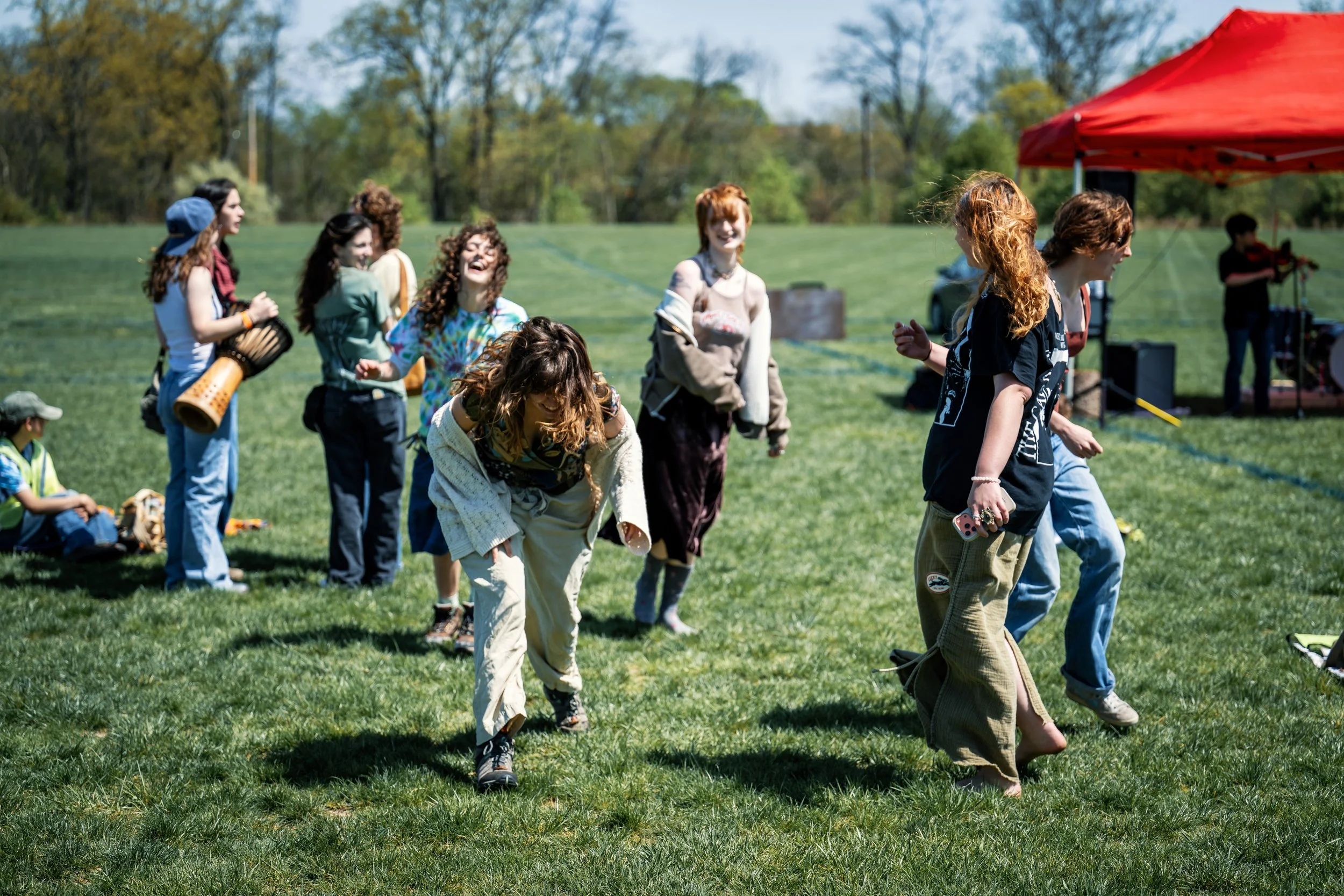
Piscataway, N.J. —On a former paved roadway on Rutgers University’s Livingston Campus in Piscataway, 525 volunteers – mainly college goers – gathered on April 18 to plant over 2,200 native tree seedlings in a first-of-its-kind Tree Planting Festival, complete with food and live music. The all-day festival was a catalyst for the university’s LARER (Livingston Abandoned Roadway Environmental Restoration) project, blending ecology research, community participation, and design.
"We wanted to attract people who had never planted a tree before,” said Josh Kover, organizer of the tree-planting festival and a master’s student in Landscape Architecture. “I was surprised by how many people were willing to wait in a long line to plant a tree. Most were first-time tree-planters.”
Kover – a Maplewood resident - reached out to Rutgers campuses in New Brunswick and Piscataway with six different flyers tailored to the interests of each – from ecology and agriculture to policy to business. After a social media post went viral, the Tree Festival registration sold out in advance.
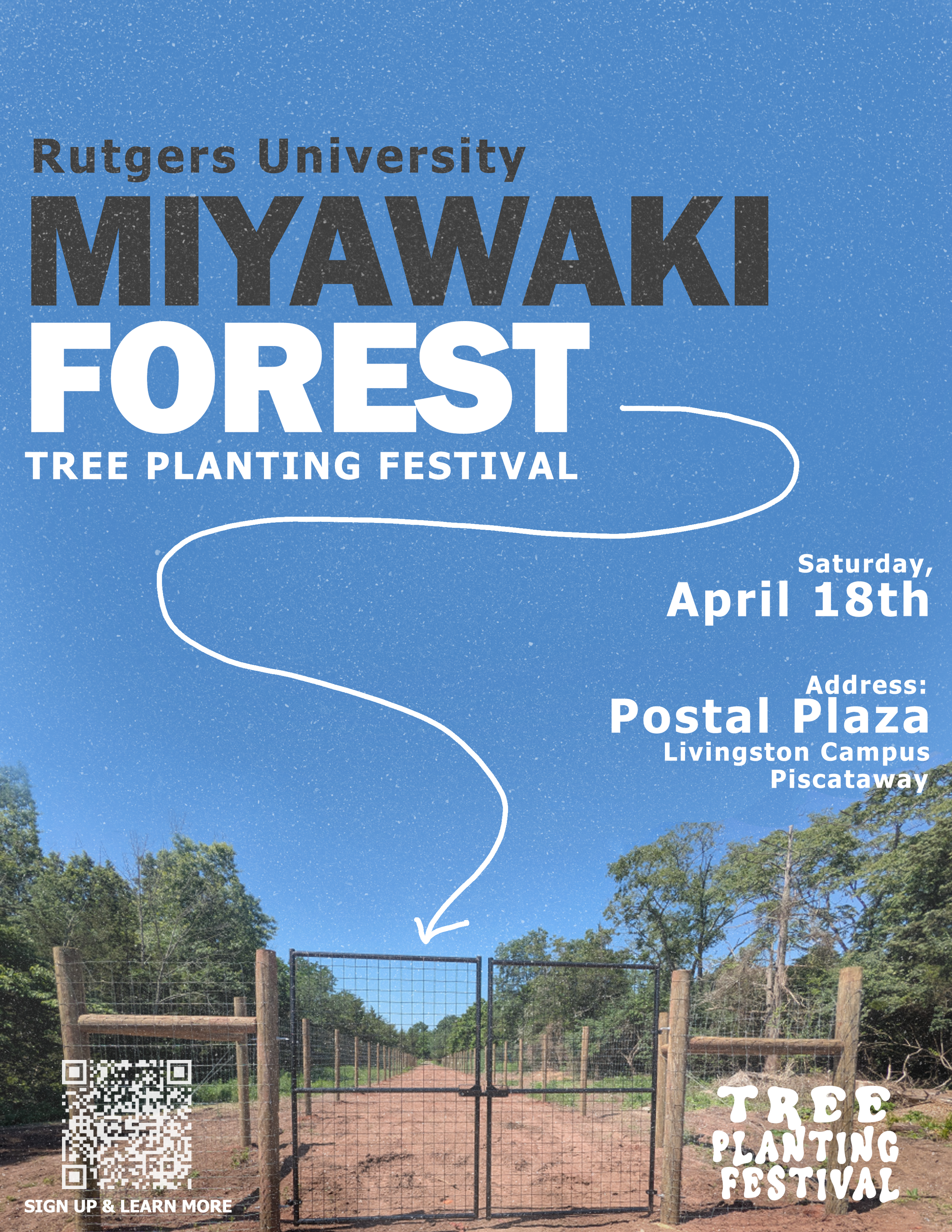

The Livingston campus planting site, part of a former WWII staging area called Camp Kilmer, was selected by the University’s Landscape architect Brian Clemson. Nature had already taken over the asphalt roadway with an inch of grass and weeds. The asphalt was removed in 2025, funded by a stormwater management grant from the NJ Department of Environmental Protection.

"It's a difficult challenge to turn a roadbed (built circa 1942) into a forested community," said Dr. Jason Grabosky, professor of Ecology, Evolution, and Natural Resources at Rutgers and main consultant for the project. “This project took years to get to the Festival day, and the day of planting is only a first step.”
The project team used Cornell’s “Scoop and Dump” method to mix compost with 1.5 feet of existing compacted roadbed. Approximately 3,000 native plants were sourced by Pinelands Nursery and American Native Plants (online wholesaler).
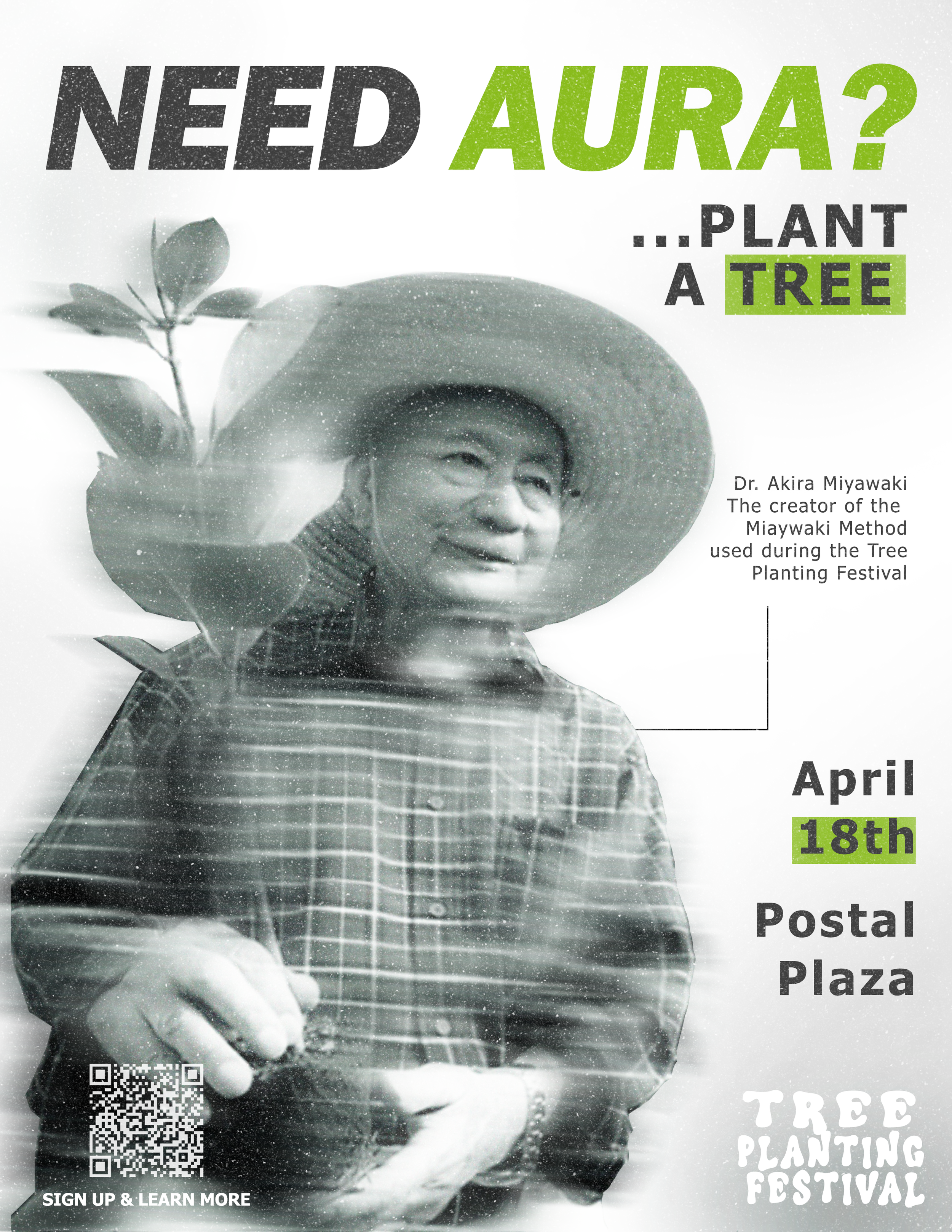
Following a community-education tradition developed in the 1970s and 80s by Japanese botanist Akira Miyawaki, Kover called out each plant species from the stage, and the audience exuberantly called it back. The Miyawaki miniforest technique entails densely planting diverse native trees and shrub species in enriched soil, requiring careful maintenance (weeding and watering) only during the first 2 to 3 years.
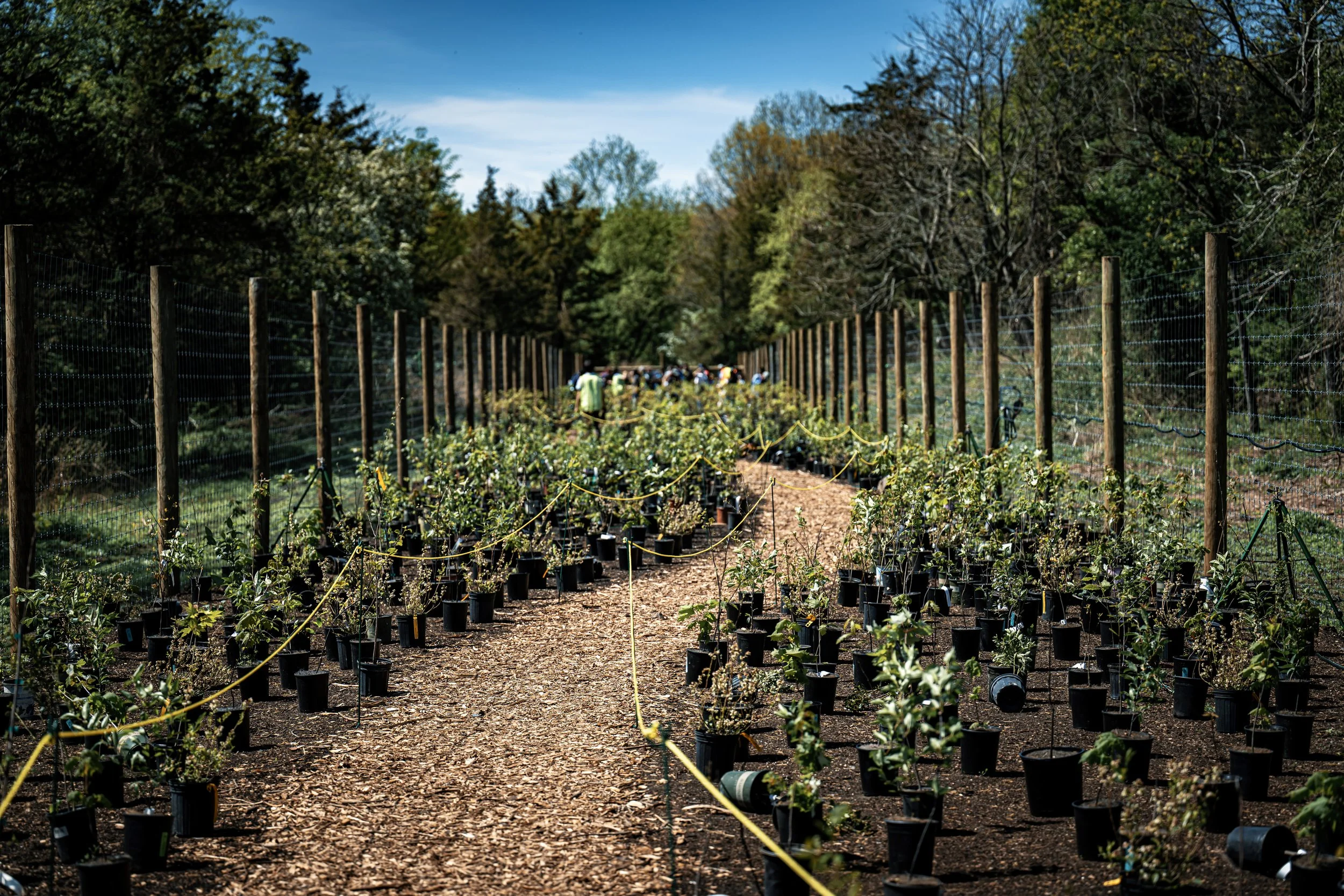
Miyawaki forests vary widely in size and shape. Summit’s Tiny Forest is 11,000 sq. ft.; Princeton’s Micro-forest is 5,000 sq. ft., while the LARER is 10,000 sq. ft. forest comprising 25 different native tree and shrub species. The site is surrounded by 9-ft. high deer fencing to ensure the inches-high seedlings are protected.
The research team will develop and implement a monitoring plan to collect data on growth rates, mortality rates, and maintenance efforts. The remaining 800 trees will be planted by groups of Rutgers students in the coming days.
“We hoped that involving the community would let folks make a difference and find respite from larger problems outside their control,” said Kover. “It was so important to have many people work together on this large ecological restoration project. We fostered a culture of stewardship and had a fun day.”
Nidhi Thakur is a published author, adjunct Economics faculty, and resident of Millburn. She is a trustee of CivicStory.
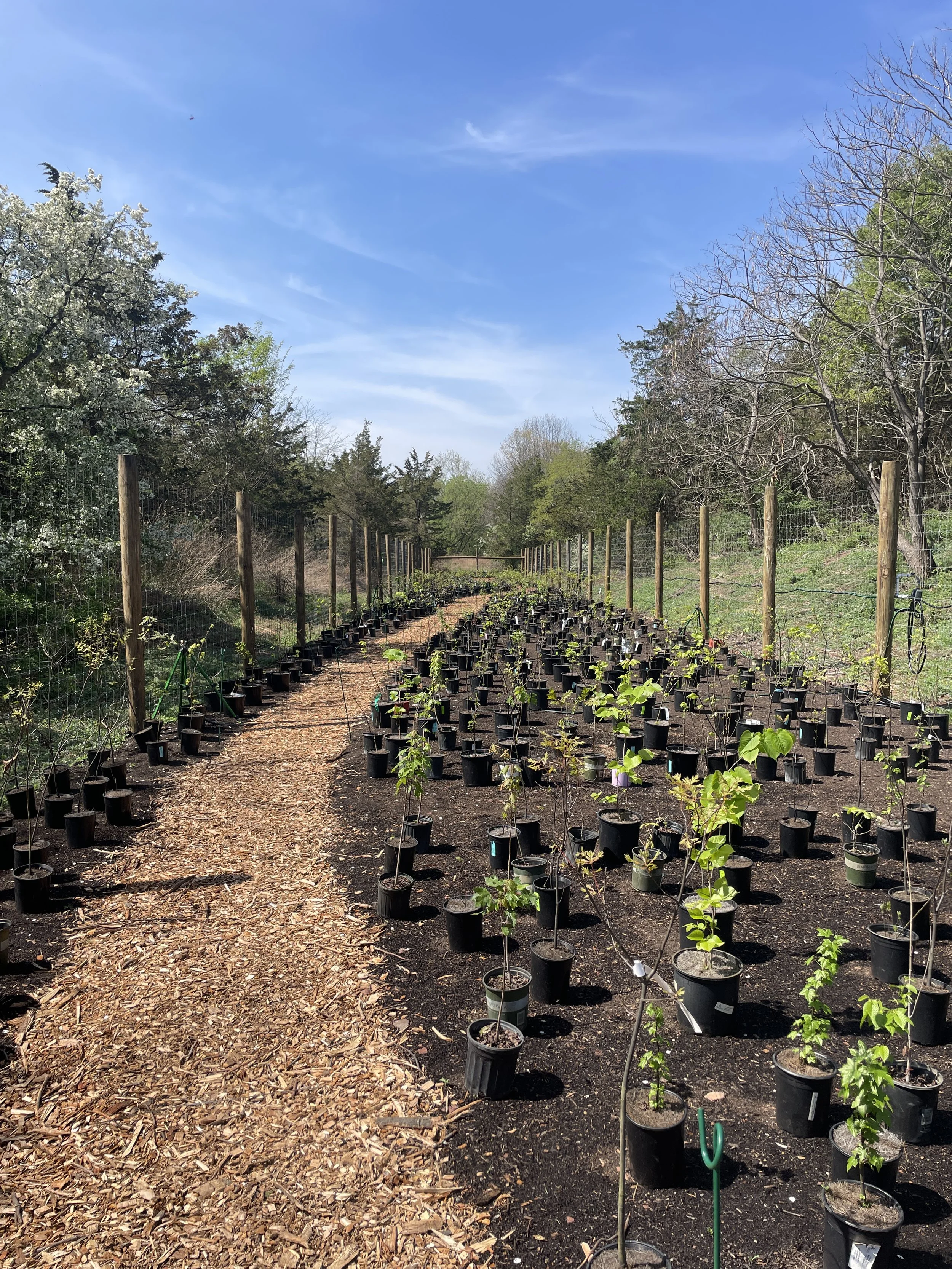
Walking path, plant placement and deer fencing (Photo: Josh Kover)